
04 Aug 2026

Indore
- Indore
- Agra
- Ahmedabad
- Ahmednagar
- Ajmer
- Akola
- Aligarh
- Alwar
- Amravati
- Arrah
- Aurangabad
- Ayodhya
- Ballia
- Bareilly
- Barmer
- Basti
- Beed
- Begusarai
- Bengaluru
- Betul
- Bhagalpur
- Bharatpur
- Bhilwara
- Bhopal
- Bikaner
- Bilaspur
- Burhanpur
- Buxar
- Chamba
- Chandigarh
- Chennai
- Chhapra
- Chhindwara
- Chittorgarh
- Coimbatore
- Darbhanga
- Delhi
- Dewas
- Dhenkanal
- Dhule
- Dungarpur
- Etawah
- Faridabad
- Firozabad
- Gandhinagar
- Gaya
- Ghaziabad
- Gorakhpur
- Gurugram
- Gwalior
- Hamirpur
- Harda
- Hoshangabad
- Hyderabad
- Indore
- Jabalpur
- Jaipur
- Jaisalmer
- Jalgaon
- Jhansi
- Jodhpur
- Kangra
- Kanpur
- Katihar
- Katni
- Khandwa
- Khatima
- Kinnaur
- Kolhapur
- Kolkata
- Kota
- Kullu
- Lahaul and Spiti
- Latur
- Lucknow
- Mandi
- Mathura
- Meerut
- Moradabad
- Motihari
- Mumbai
- Munger
- Muzaffarpur
- Nagaur
- Nagpur
- Nanded
- Nashik
- Neemuch
- Noida
- Pali
- Parbhani
- Patna
- Prayagraj
- Pune
- Pune Maharashtra
- Purnia
- Ratlam
- Rewa
- Rohtak
- Sagar
- Saharanpur
- Samastipur
- Sangli
- Sasaram
- Satara
- Satna
- Seoni
- Shimla
- Shivpuri
- Sikar
- Sirmaur
- Sitamarhi
- Siwan
- Solan
- Solapur
- Sonipat
- Surat
- Tonk
- Udaipur
- Ujjain
- Una
- Vadodara
- Varanasi
- Vidisha
- Wardha
- Yavatmal
Indore
- Indore
- Agra
- Ahmedabad
- Ahmednagar
- Ajmer
- Akola
- Aligarh
- Alwar
- Amravati
- Arrah
- Aurangabad
- Ayodhya
- Ballia
- Bareilly
- Barmer
- Basti
- Beed
- Begusarai
- Bengaluru
- Betul
- Bhagalpur
- Bharatpur
- Bhilwara
- Bhopal
- Bikaner
- Bilaspur
- Burhanpur
- Buxar
- Chamba
- Chandigarh
- Chennai
- Chhapra
- Chhindwara
- Chittorgarh
- Coimbatore
- Darbhanga
- Delhi
- Dewas
- Dhenkanal
- Dhule
- Dungarpur
- Etawah
- Faridabad
- Firozabad
- Gandhinagar
- Gaya
- Ghaziabad
- Gorakhpur
- Gurugram
- Gwalior
- Hamirpur
- Harda
- Hoshangabad
- Hyderabad
- Indore
- Jabalpur
- Jaipur
- Jaisalmer
- Jalgaon
- Jhansi
- Jodhpur
- Kangra
- Kanpur
- Katihar
- Katni
- Khandwa
- Khatima
- Kinnaur
- Kolhapur
- Kolkata
- Kota
- Kullu
- Lahaul and Spiti
- Latur
- Lucknow
- Mandi
- Mathura
- Meerut
- Moradabad
- Motihari
- Mumbai
- Munger
- Muzaffarpur
- Nagaur
- Nagpur
- Nanded
- Nashik
- Neemuch
- Noida
- Pali
- Parbhani
- Patna
- Prayagraj
- Pune
- Pune Maharashtra
- Purnia
- Ratlam
- Rewa
- Rohtak
- Sagar
- Saharanpur
- Samastipur
- Sangli
- Sasaram
- Satara
- Satna
- Seoni
- Shimla
- Shivpuri
- Sikar
- Sirmaur
- Sitamarhi
- Siwan
- Solan
- Solapur
- Sonipat
- Surat
- Tonk
- Udaipur
- Ujjain
- Una
- Vadodara
- Varanasi
- Vidisha
- Wardha
- Yavatmal
- By Admin
- 0 Comments
- 18 Jul 2026
Digital Marketing for Small Businesses in India | Complete Growth Guide
-
Search Engines
-
Business Websites
-
Social Media
-
Email
-
Online Directories
-
Mobile Applications
-
Video Platforms
-
Better online visibility
-
Increased customer awareness
-
More qualified enquiries
-
Stronger brand recognition
-
Improved customer engagement
-
Long-term business growth
-
Newspapers
-
Television
-
Radio
-
Flyers
-
Hoardings
-
Brochures
-
Search Engine Optimization (SEO)
-
Google Business Profile
-
Content Marketing
-
Social Media Marketing
-
Email Marketing
-
Video Marketing
-
Online Advertising
-
Search online.
-
Compare multiple businesses.
-
Visit websites.
-
Read reviews.
-
Explore products or services.
-
Contact shortlisted businesses.
-
Make a purchasing decision.
-
About the Company
-
Products
-
Services
-
Industries Served
-
Contact Information
-
Customer Support
-
Business Location
-
Blog or Knowledge Center
-
Buying Guides
-
Industry News
-
Product Comparisons
-
Business Tips
-
Frequently Asked Questions
-
Educational Articles
-
Market Trends
-
No clear marketing strategy
-
Inconsistent branding
-
Ignoring SEO
-
Outdated website
-
Poor mobile experience
-
Low-quality content
-
Irregular social media activity
-
Missing customer reviews
-
Incomplete business profiles
-
Failing to measure results
-
Consistency
-
Quality
-
Customer trust
-
Valuable content
-
Regular improvements
-
Data-driven decision-making
-
Publishing high-quality content
-
Optimizing website pages
-
Improving website speed
-
Using relevant keywords
-
Building quality backlinks
-
Maintaining a mobile-friendly website
-
Business Name
-
Address
-
Phone Number
-
Website
-
Business Hours
-
Products
-
Services
-
Business Description
-
High-Quality Photos
-
Business Tips
-
Industry Updates
-
Product Demonstrations
-
Customer Success Stories
-
Behind-the-Scenes Content
-
Educational Videos
-
Frequently Asked Questions
-
Blog Articles
-
Buying Guides
-
Industry Reports
-
Product Comparisons
-
Business Checklists
-
Tutorials
-
Case Studies
-
Product Updates
-
Company News
-
Industry Insights
-
Educational Resources
-
Event Invitations
-
Customer Support Information
-
Answer customer enquiries
-
Share product catalogues
-
Provide customer support
-
Send order updates
-
Share business announcements
-
Website Traffic
-
Organic Search Visits
-
Business Enquiries
-
Conversion Rate
-
Customer Engagement
-
Email Open Rate
-
Social Media Performance
-
Lead Quality
-
Maintaining accurate business information
-
Responding promptly to customer enquiries
-
Publishing useful content
-
Displaying genuine customer reviews
-
Providing transparent communication
-
Delivering consistent service quality
-
Ignoring SEO
-
Inconsistent branding
-
Outdated websites
-
Poor mobile experience
-
Incomplete business profiles
-
Low-quality content
-
Irregular social media activity
-
Failing to track marketing performance
-
Create a professional website.
-
Optimize your Google Business Profile.
-
Publish valuable blog content.
-
Improve your website's SEO.
-
Stay active on relevant social media platforms.
-
Build an email subscriber list.
-
Use WhatsApp for customer communication.
-
Monitor website and marketing performance.
-
Keep business information accurate.
-
Review and update your strategy regularly.
Digital Marketing for Small Businesses in India (2026): The Complete Growth Guide
Introduction
Running a small business has never been easy. Competition continues to grow, customer expectations are changing, and purchasing decisions increasingly begin online.
Whether someone wants to buy a product, hire a service provider, compare suppliers, or contact a local business, the first step is usually a Google search, a social media platform, or an online business directory.
Years ago, businesses relied mainly on newspaper advertisements, banners, pamphlets, television, radio, and word-of-mouth marketing. While these methods still have value in some situations, today's customers expect businesses to have a strong digital presence.
This is where Digital Marketing becomes essential.
Digital marketing helps businesses reach the right audience, build trust, generate enquiries, and grow without depending entirely on traditional advertising.
Whether you own a manufacturing company, retail shop, consultancy, startup, service business, or MSME, understanding digital marketing can help you compete more effectively in today's business environment.
This guide explains the fundamentals of digital marketing, why it matters, and how small businesses can use it to achieve sustainable growth.
What Is Digital Marketing?
Digital marketing is the process of promoting products and services using online channels.
Instead of relying only on offline advertising, businesses connect with potential customers through digital platforms where people already spend a significant amount of their time.
These platforms include:
The objective is not simply to reach more people but to reach the right people at the right time.
Why Digital Marketing Matters for Small Businesses
Large companies often have substantial marketing budgets.
Small businesses usually have limited resources and need every marketing effort to produce meaningful results.
Digital marketing helps smaller businesses compete by improving visibility and allowing them to reach potential customers more efficiently.
Some key advantages include:
It allows businesses to compete on quality, relevance, and customer experience rather than size alone.
Traditional Marketing vs Digital Marketing
Traditional and digital marketing both have their place, but they differ in several important ways.
Traditional Marketing
Examples include:
Traditional marketing often reaches a broad audience but provides limited information about customer behavior.
Digital Marketing
Digital marketing uses online channels to communicate with customers.
Examples include:
It enables businesses to understand customer behavior and continuously improve their marketing efforts.
How Customers Discover Businesses Today
The customer journey has changed significantly.
Most buyers now follow a process similar to this:
Businesses that maintain a strong online presence are more likely to become part of this decision-making process.
Core Goals of Digital Marketing
Digital marketing supports several business objectives.
These include:
Increase Brand Awareness
Helping more people become familiar with your business.
Generate Business Enquiries
Connecting with potential customers actively searching for products or services.
Build Customer Trust
Providing useful information that demonstrates credibility and professionalism.
Improve Customer Relationships
Maintaining communication with existing and potential customers.
Increase Sales Opportunities
Creating more chances for customers to contact and purchase from your business.
Major Digital Marketing Channels
Successful businesses usually combine multiple marketing channels.
Some of the most important include:
Search Engine Optimization (SEO)
Improves website visibility in search engine results.
Content Marketing
Publishes helpful articles, guides, and educational resources.
Social Media Marketing
Builds brand awareness and customer engagement through social platforms.
Email Marketing
Keeps customers informed about updates, products, and services.
Google Business Profile
Improves local search visibility and Google Maps presence.
Online Business Listings
Makes businesses easier to discover across trusted business directories.
Why Every Business Needs a Website
A website acts as your digital headquarters.
Customers expect businesses to provide information that is easy to access and understand.
A professional website should include:
A well-designed website supports every other digital marketing activity.
The Importance of Valuable Content
Modern customers prefer businesses that educate rather than simply advertise.
Useful content can include:
Publishing helpful content demonstrates expertise while improving online visibility.
Common Digital Marketing Mistakes
Many businesses struggle because they make avoidable mistakes.
Some of the most common include:
Recognizing these issues is the first step toward building a stronger digital presence.
Digital Marketing Is a Long-Term Investment
Many businesses expect immediate success after launching a website or creating social media accounts.
However, sustainable digital growth takes time.
Success comes from:
Businesses that continuously improve their online presence often achieve stronger long-term results than those relying on short-term campaigns.
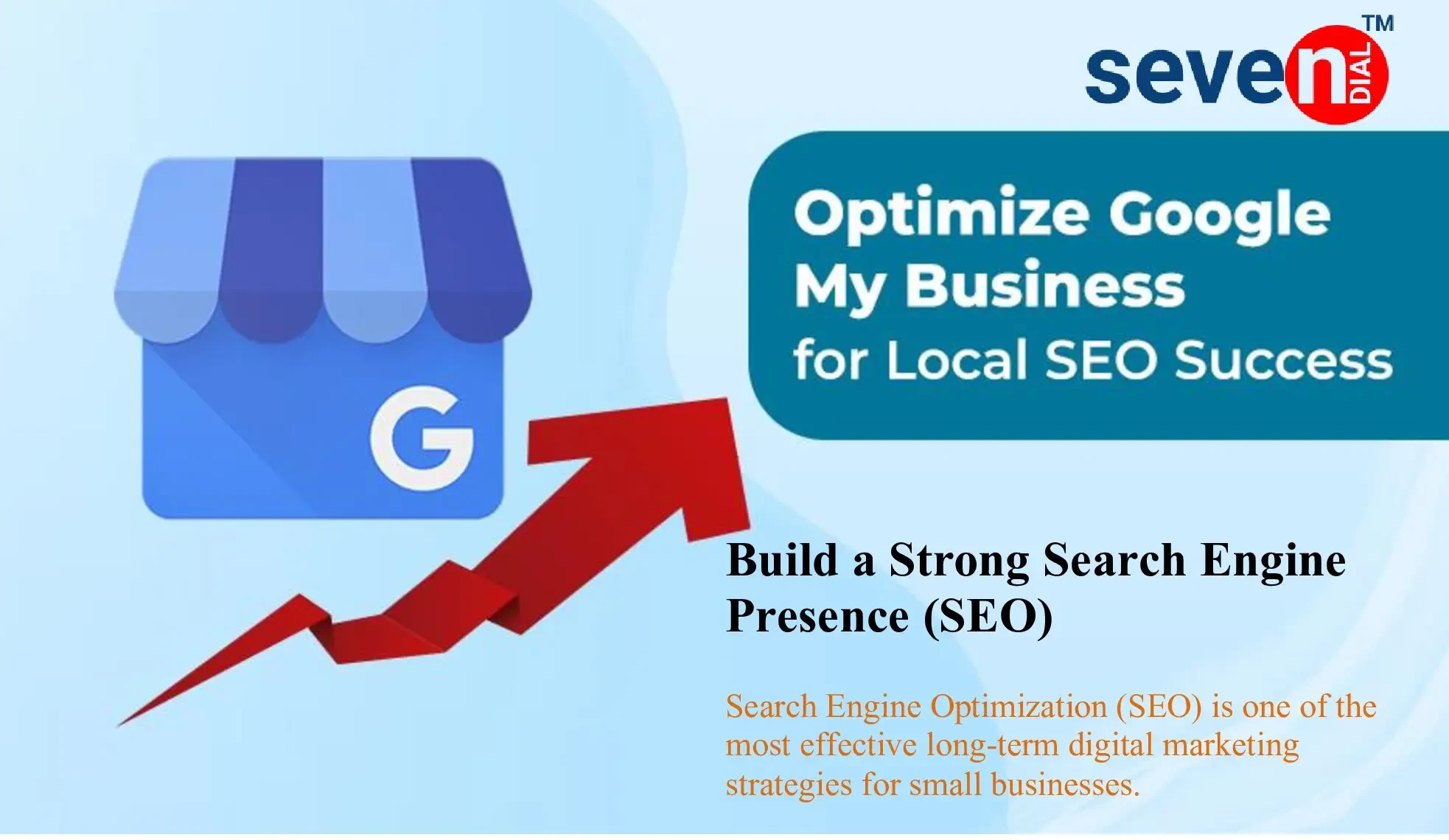
Build a Strong Search Engine Presence (SEO)
Search Engine Optimization (SEO) is one of the most effective long-term digital marketing strategies for small businesses.
When potential customers search for products or services on Google, businesses that appear in organic search results have a greater opportunity to receive website visitors and business enquiries.
A successful SEO strategy includes:
SEO requires patience, but it delivers sustainable results over time.
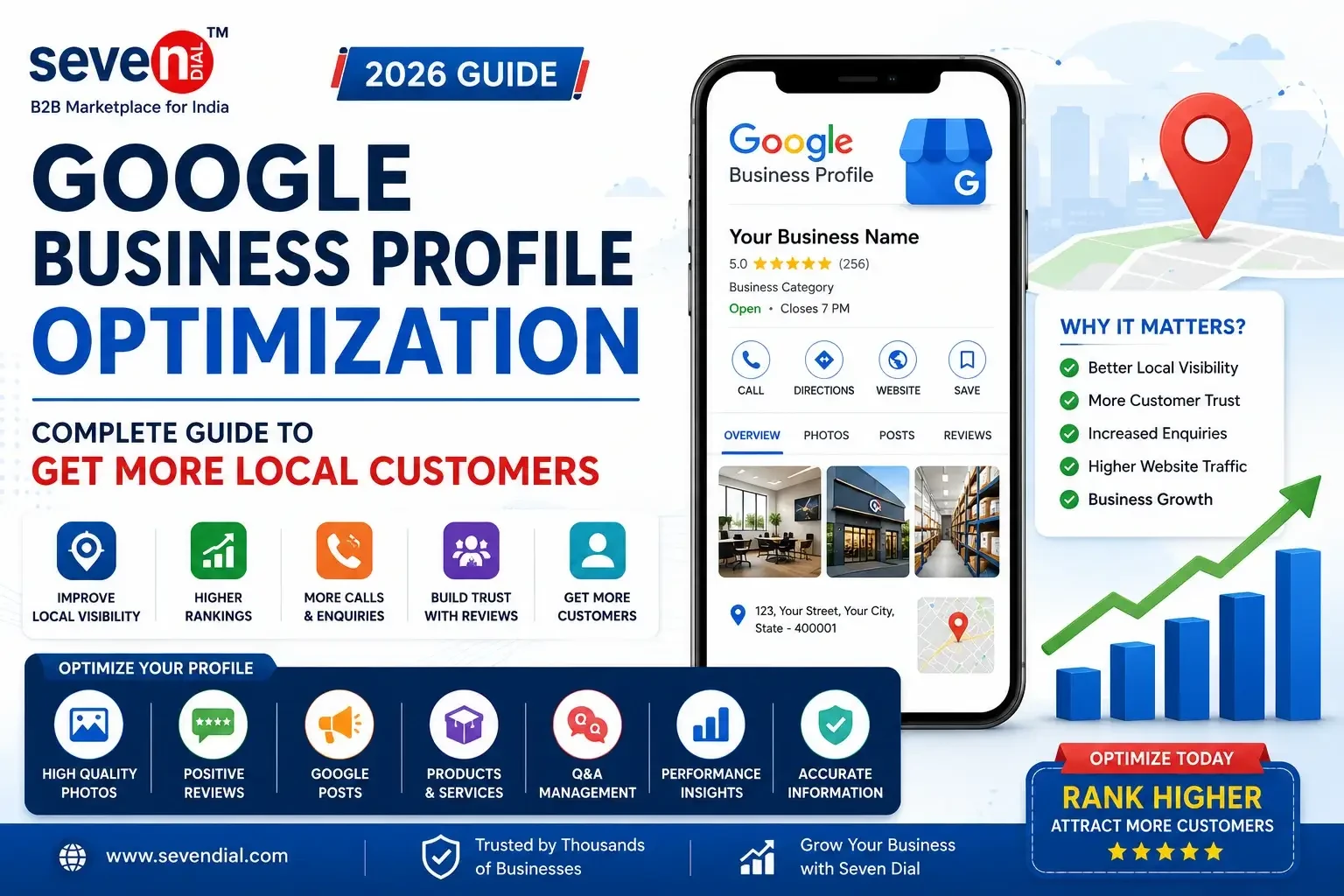
Optimize Your Google Business Profile
A Google Business Profile helps local customers discover your business through Google Search and Google Maps.
An optimized profile should include:
Regularly updating your profile and responding to customer reviews helps maintain an active online presence.
Use Social Media to Build Relationships
Social media is not only a place for promotions—it is also a platform for communication and trust.
Businesses should focus on creating valuable content rather than posting only advertisements.
Useful social media content includes:
Consistency is more important than posting frequently.
Create Valuable Content
Content marketing helps businesses educate customers before they make a purchasing decision.
Useful content may include:
Helpful content builds authority and improves search visibility.
Email Marketing Still Matters
Email remains one of the most effective channels for maintaining customer relationships.
Businesses can use email to share:
Focus on sending relevant and useful information rather than excessive promotional messages.
WhatsApp Marketing for Business
WhatsApp has become an important communication channel for businesses in India.
It can be used to:
Businesses should always respect customer privacy and avoid sending unsolicited messages.
Monitor Your Marketing Performance
Digital marketing becomes more effective when performance is measured regularly.
Track important indicators such as:
Regular analysis helps identify opportunities for improvement.
Build Customer Trust Online
Trust is one of the most valuable assets in digital marketing.
Businesses can strengthen trust by:
A trustworthy business is more likely to attract repeat customers and referrals.
Common Digital Marketing Mistakes
Many businesses invest in digital marketing without a clear strategy.
Common mistakes include:
Avoiding these issues improves the effectiveness of your marketing efforts.
Digital Marketing Checklist
Use this checklist to strengthen your digital presence:
Small improvements made consistently often lead to significant long-term growth.
Frequently Asked Questions (FAQ)
1. What is digital marketing?
Digital marketing is the promotion of products or services through online channels such as search engines, websites, social media, email, and business directories.
2. Is digital marketing suitable for small businesses?
Yes. Digital marketing helps small businesses improve visibility, attract customers, and compete effectively with larger businesses.
3. Which digital marketing strategy should I start with?
A strong foundation usually includes a professional website, Search Engine Optimization (SEO), a Google Business Profile, and high-quality content.
4. How long does digital marketing take to show results?
Some activities, such as paid advertising, may produce immediate visibility. Others, including SEO and content marketing, typically require consistent effort over several months.
5. Why is content marketing important?
Helpful content answers customer questions, demonstrates expertise, improves search visibility, and builds long-term trust.
Final Thoughts
Digital marketing is no longer optional for businesses that want to remain competitive. Customers expect businesses to be easy to find online, provide accurate information, and communicate professionally across multiple digital channels.
By investing in SEO, content marketing, Google Business Profile optimization, social media, and customer engagement, businesses create a strong digital foundation that supports sustainable growth.
The most successful businesses are those that consistently provide value, understand customer needs, and adapt to changing market trends.
Conclusion
Digital marketing gives small businesses the opportunity to reach the right audience without relying solely on traditional advertising methods.
A successful strategy combines a professional website, search engine optimization, valuable content, social media engagement, and continuous performance analysis.
Rather than focusing on short-term results, businesses should build long-term relationships with customers through trust, consistency, and meaningful communication.
With the right digital marketing approach, small businesses can improve visibility, generate qualified enquiries, strengthen their brand, and achieve sustainable business growth.
Continue Reading Blog To Seven Dial
Expand your knowledge with these related guides:


Leave A Comment
Your email address will not be published. Required fields are marked *