

04 Aug 2026

Indore
- Indore
- Agra
- Ahmedabad
- Ahmednagar
- Ajmer
- Akola
- Aligarh
- Alwar
- Amravati
- Arrah
- Aurangabad
- Ayodhya
- Ballia
- Bareilly
- Barmer
- Basti
- Beed
- Begusarai
- Bengaluru
- Betul
- Bhagalpur
- Bharatpur
- Bhilwara
- Bhopal
- Bikaner
- Bilaspur
- Burhanpur
- Buxar
- Chamba
- Chandigarh
- Chennai
- Chhapra
- Chhindwara
- Chittorgarh
- Coimbatore
- Darbhanga
- Delhi
- Dewas
- Dhenkanal
- Dhule
- Dungarpur
- Etawah
- Faridabad
- Firozabad
- Gandhinagar
- Gaya
- Ghaziabad
- Gorakhpur
- Gurugram
- Gwalior
- Hamirpur
- Harda
- Hoshangabad
- Hyderabad
- Indore
- Jabalpur
- Jaipur
- Jaisalmer
- Jalgaon
- Jhansi
- Jodhpur
- Kangra
- Kanpur
- Katihar
- Katni
- Khandwa
- Khatima
- Kinnaur
- Kolhapur
- Kolkata
- Kota
- Kullu
- Lahaul and Spiti
- Latur
- Lucknow
- Mandi
- Mathura
- Meerut
- Moradabad
- Motihari
- Mumbai
- Munger
- Muzaffarpur
- Nagaur
- Nagpur
- Nanded
- Nashik
- Neemuch
- Noida
- Pali
- Parbhani
- Patna
- Prayagraj
- Pune
- Pune Maharashtra
- Purnia
- Ratlam
- Rewa
- Rohtak
- Sagar
- Saharanpur
- Samastipur
- Sangli
- Sasaram
- Satara
- Satna
- Seoni
- Shimla
- Shivpuri
- Sikar
- Sirmaur
- Sitamarhi
- Siwan
- Solan
- Solapur
- Sonipat
- Surat
- Tonk
- Udaipur
- Ujjain
- Una
- Vadodara
- Varanasi
- Vidisha
- Wardha
- Yavatmal
Indore
- Indore
- Agra
- Ahmedabad
- Ahmednagar
- Ajmer
- Akola
- Aligarh
- Alwar
- Amravati
- Arrah
- Aurangabad
- Ayodhya
- Ballia
- Bareilly
- Barmer
- Basti
- Beed
- Begusarai
- Bengaluru
- Betul
- Bhagalpur
- Bharatpur
- Bhilwara
- Bhopal
- Bikaner
- Bilaspur
- Burhanpur
- Buxar
- Chamba
- Chandigarh
- Chennai
- Chhapra
- Chhindwara
- Chittorgarh
- Coimbatore
- Darbhanga
- Delhi
- Dewas
- Dhenkanal
- Dhule
- Dungarpur
- Etawah
- Faridabad
- Firozabad
- Gandhinagar
- Gaya
- Ghaziabad
- Gorakhpur
- Gurugram
- Gwalior
- Hamirpur
- Harda
- Hoshangabad
- Hyderabad
- Indore
- Jabalpur
- Jaipur
- Jaisalmer
- Jalgaon
- Jhansi
- Jodhpur
- Kangra
- Kanpur
- Katihar
- Katni
- Khandwa
- Khatima
- Kinnaur
- Kolhapur
- Kolkata
- Kota
- Kullu
- Lahaul and Spiti
- Latur
- Lucknow
- Mandi
- Mathura
- Meerut
- Moradabad
- Motihari
- Mumbai
- Munger
- Muzaffarpur
- Nagaur
- Nagpur
- Nanded
- Nashik
- Neemuch
- Noida
- Pali
- Parbhani
- Patna
- Prayagraj
- Pune
- Pune Maharashtra
- Purnia
- Ratlam
- Rewa
- Rohtak
- Sagar
- Saharanpur
- Samastipur
- Sangli
- Sasaram
- Satara
- Satna
- Seoni
- Shimla
- Shivpuri
- Sikar
- Sirmaur
- Sitamarhi
- Siwan
- Solan
- Solapur
- Sonipat
- Surat
- Tonk
- Udaipur
- Ujjain
- Una
- Vadodara
- Varanasi
- Vidisha
- Wardha
- Yavatmal
- By Admin
- 0 Comments
- 16 Jul 2026
Complete Local SEO Guide for Indian Businesses | Seven Dial
-
Industrial Machinery Manufacturer in Pune
-
Chemical Supplier in Indore
-
Packaging Company in Ahmedabad
-
Financial Consultant in Jaipur
-
Interior Designer in Noida
-
Business Information
-
Website
-
Products & Services
-
Reviews
-
Location
-
Contact Details
-
Business Experience
-
Search Google.
-
Compare several businesses.
-
Visit websites.
-
Read company information.
-
Review products or services.
-
Contact shortlisted businesses.
-
Digital Marketing Guide
-
Business Branding
-
Manufacturing Industry Trends
-
Furniture Manufacturer in Jaipur
-
Packaging Company in Surat
-
Textile Supplier in Ludhiana
-
Loan Consultant in Agra
-
Business Name
-
Address
-
Phone Number
-
Email
-
Website
-
Business Category
-
Load quickly
-
Work on mobile devices
-
Explain products clearly
-
Include contact information
-
Be easy to navigate
-
Inconsistent business information
-
Outdated contact details
-
Poor website experience
-
Missing location information
-
Weak business descriptions
-
Duplicate content
-
Slow-loading pages
-
Ignoring customer feedback
-
Business Name
-
Address
-
Phone Number
-
Email Address
-
Website
-
Business Categories
-
Working Hours
-
Manufacturer in Delhi
-
Supplier in Jaipur
-
Packaging Company in Indore
-
Chemical Manufacturer in Ahmedabad
-
Load quickly
-
Display correctly on all screen sizes
-
Use readable fonts
-
Have easy navigation
-
Make contact information easy to find
-
Manufacturing Industry in Gujarat
-
Business Opportunities in Uttar Pradesh
-
Packaging Market in Maharashtra
-
Industrial Growth in Madhya Pradesh
-
About Us
-
Products
-
Services
-
Industries Served
-
Blog
-
Contact
-
Communicate honestly
-
Maintain accurate information
-
Respond professionally
-
Deliver quality products
-
Keep commitments
-
Compressing images
-
Removing unnecessary files
-
Optimizing website code
-
Using reliable hosting
-
Keeping software updated
-
New Products
-
Industry Articles
-
Business Announcements
-
Service Updates
-
Company News
-
Are customers finding us online?
-
Is our business information still accurate?
-
Are website pages loading quickly?
-
Are visitors contacting us?
-
Which pages attract the most traffic?
-
Outdated contact information
-
Duplicate business information
-
Weak location pages
-
Poor website structure
-
Missing business categories
-
Slow-loading website
-
Generic content
-
Inconsistent company details
-
Website quality
-
Content usefulness
-
Business consistency
-
Customer experience
-
Website performance
-
Relevance to search queries
-
Voice Search
-
AI-Powered Search Results
-
Mobile-First Indexing
-
Visual Search
-
Personalized Search Results
-
Location-Based Recommendations
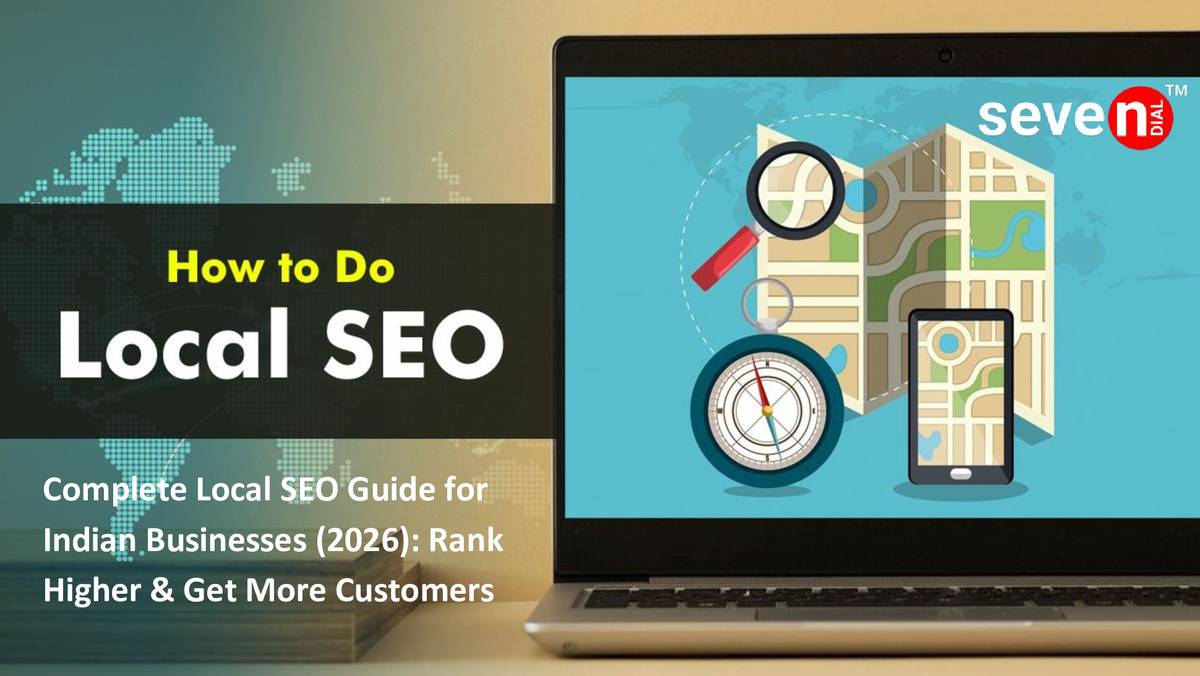
Complete Local SEO Guide for Indian Businesses (2026): Rank Higher & Get More Customers
Introduction
When people need a product or service today, they usually don't open a phone directory or ask around first—they search online. Whether someone is looking for a manufacturer, supplier, contractor, consultant, retailer, or service provider, the first step is often a Google search.
Searches such as "steel manufacturer near me," "best packaging supplier in Delhi," "civil contractor in Lucknow," or "finance company near me" happen thousands of times every day. Businesses that appear in these search results are more likely to receive enquiries, while businesses that are difficult to find often miss valuable opportunities.
This is where Local SEO (Local Search Engine Optimization) becomes important.
Local SEO helps businesses improve their visibility in location-based searches, making it easier for nearby customers to discover products and services. It is one of the most effective long-term strategies for attracting genuine enquiries without relying entirely on paid advertising.
Whether you are a manufacturer, supplier, wholesaler, startup, MSME, retailer, or service provider, understanding Local SEO can help you build a stronger online presence and connect with customers searching for businesses like yours.
This guide explains how Local SEO works, why it matters, and what businesses should do to improve their visibility in local search results.
What Is Local SEO?
Local SEO is the process of improving your online presence so that your business appears in search results when customers look for products or services within a specific city, region, or nearby area.
Unlike traditional SEO, which focuses on ranking nationally or globally, Local SEO helps businesses become more visible to customers searching within a particular location.
For example, when someone searches for:
Google attempts to display businesses that are relevant to both the search query and the user's location.
A well-optimized local presence increases the chances of appearing in these search results.
Why Local SEO Matters in 2026
Customer behaviour has changed significantly over the last few years.
Instead of contacting businesses directly, buyers now compare multiple companies online before making a decision.
They usually check:
Businesses that appear prominently in local search results are more likely to receive attention because customers often trust businesses that are easier to find.
Local SEO helps businesses reach customers at the exact moment they are actively searching for solutions.
How Customers Search for Local Businesses
Most buyers follow a simple decision-making process.
They:
Because this process happens online, your digital presence often becomes your first salesperson.
If your business information is accurate, complete, and easy to understand, customers are more likely to contact you.
Local SEO vs Traditional SEO
Many business owners believe SEO is only about ranking for broad keywords.
In reality, Local SEO and traditional SEO serve different purposes.
Traditional SEO
Traditional SEO focuses on improving visibility for broader searches that may attract visitors from across the country or even internationally.
Examples include:
These searches are not tied to a specific location.
Local SEO
Local SEO focuses on helping customers find businesses within a particular area.
Examples include:
Local SEO is especially valuable for businesses that serve customers in particular cities or regions.
The Benefits of Local SEO
Businesses that invest in Local SEO often experience several long-term advantages.
Better Visibility
Your business becomes easier to discover when customers search for nearby products or services.
More Relevant Traffic
Instead of attracting random visitors, Local SEO helps connect your business with people who are actively looking for what you offer.
Higher Customer Confidence
Customers often feel more comfortable contacting businesses that appear professional and easy to find online.
Increased Business Enquiries
Improved visibility creates more opportunities for potential customers to contact your business.
Long-Term Growth
Unlike paid advertising, Local SEO can continue generating visibility over time when maintained consistently.
Essential Elements of Local SEO
Local SEO depends on several factors working together.
Business Information
Your business information should always be accurate and consistent.
Include:
Customers should never struggle to understand who you are or how to contact you.
Business Categories
Choosing the correct business category helps search engines understand what your company offers.
Incorrect categories can reduce visibility for relevant searches.
Website Quality
Your website should:
A positive user experience supports stronger search performance.
Customer Reviews
Customer feedback helps future buyers understand your business.
While businesses should never encourage fake reviews, genuine customer experiences contribute to building credibility.
Helpful Content
Publishing useful articles related to your industry demonstrates expertise and provides additional opportunities for customers to discover your business through search.
Common Local SEO Mistakes
Many businesses unknowingly reduce their visibility by making avoidable mistakes.
Some of the most common include:
Avoiding these mistakes creates a stronger foundation for long-term visibility.
Why Consistency Matters
Consistency is one of the most overlooked aspects of Local SEO.
Your business name, address, phone number, website, and company information should remain the same across all platforms.
When information differs from one place to another, customers become confused and search engines may find it harder to determine which details are correct.
Maintaining consistent information strengthens both customer trust and online visibility.
10 Practical Local SEO Strategies Every Business Should Follow
Improving your local search visibility doesn't require complicated techniques. Most successful businesses follow a consistent process of maintaining accurate information, improving their website, and creating a better experience for customers.
Here are practical strategies that can help strengthen your Local SEO over time.
Strategy 1: Keep Your Business Information Accurate
Your business information should always remain up to date.
Regularly review your:
Accurate information helps both customers and search engines understand your business more clearly.
Strategy 2: Create Dedicated Location Pages
If your business serves multiple cities or states, create individual pages for each location instead of listing every location on a single page.
For example:
Each location page should contain unique information relevant to that area.
Strategy 3: Optimize Your Website for Mobile Users
A large percentage of business searches now happen on smartphones.
Your website should:
A smooth mobile experience encourages visitors to stay longer and explore your business.
Strategy 4: Publish Location-Based Content
Instead of writing only general business articles, create content that relates to the cities or regions where you operate.
Examples include:
Location-specific content helps search engines understand the geographical relevance of your business.
Strategy 5: Use Clear Website Navigation
Visitors should be able to find information without confusion.
Organize your website with sections such as:
Simple navigation improves both user experience and search performance.
Strategy 6: Build Customer Trust
Search engines aim to recommend businesses that provide a positive user experience.
Customer trust grows when businesses:
Trust also encourages repeat customers and referrals.
Strategy 7: Improve Website Speed
Website speed affects user experience.
Visitors often leave websites that load slowly.
Improve performance by:
Fast websites generally create a better browsing experience.
Strategy 8: Update Your Website Regularly
Businesses should not treat their website as a one-time project.
Regular updates may include:
Fresh content demonstrates that your business remains active.
Strategy 9: Encourage Genuine Customer Reviews
Customer reviews help future buyers understand your business.
Positive experiences shared by real customers contribute to your reputation and increase buyer confidence.
Never encourage fake reviews.
Authenticity always provides greater long-term value.
Strategy 10: Monitor Your Local SEO Performance
Review your website regularly and identify areas for improvement.
Questions to ask include:
Continuous improvement is one of the keys to long-term Local SEO success.
Common Local SEO Mistakes Businesses Should Avoid
Many businesses unknowingly reduce their visibility through avoidable mistakes.
Examples include:
Correcting these issues often improves both customer experience and search visibility.
Why Local SEO Is a Long-Term Investment
Many businesses expect immediate results after making a few website updates.
However, Local SEO works differently.
Search engines evaluate:
Businesses that improve these areas consistently are more likely to strengthen their visibility over time.
Patience and consistency are essential.
The Future of Local Search
Search behaviour continues to evolve.
Businesses should prepare for trends such as:
Businesses that adapt to these changes will be better positioned for future growth.
Frequently Asked Questions (FAQ)
1. What is Local SEO?
Local SEO is the process of improving a business's visibility in location-based search results, helping nearby customers discover relevant products or services.
2. Is Local SEO only for small businesses?
No. Local SEO benefits businesses of all sizes, including manufacturers, suppliers, service providers, retailers, and large enterprises with physical locations.
3. How long does Local SEO take to show results?
Local SEO is a long-term strategy. Results depend on factors such as website quality, competition, consistency, and ongoing optimization.
4. Does website speed affect Local SEO?
Yes. A faster website improves user experience and can contribute to better search performance.
5. Why is consistent business information important?
Consistent business information helps customers find accurate details and allows search engines to better understand your business.
Final Thoughts
Local SEO is more than a marketing technique—it is an essential part of helping customers discover your business when they are actively searching for products or services.
Businesses that maintain accurate information, publish valuable content, improve website performance, and focus on customer experience create stronger digital visibility over time.
Instead of chasing short-term rankings, focus on building a trustworthy online presence that provides genuine value to customers.
Conclusion
As more customers rely on online search to find businesses, Local SEO has become one of the most valuable long-term investments for business growth.
By improving your website, maintaining consistent business information, creating location-focused content, and providing a positive customer experience, you make it easier for potential customers to discover and trust your business.
The businesses that consistently invest in Local SEO today will be better prepared to compete in tomorrow's digital marketplace.
Continue Reading Blogs
If you enjoyed this guide, explore these related business resources:


Leave A Comment
Your email address will not be published. Required fields are marked *